What Are Deepfakes?
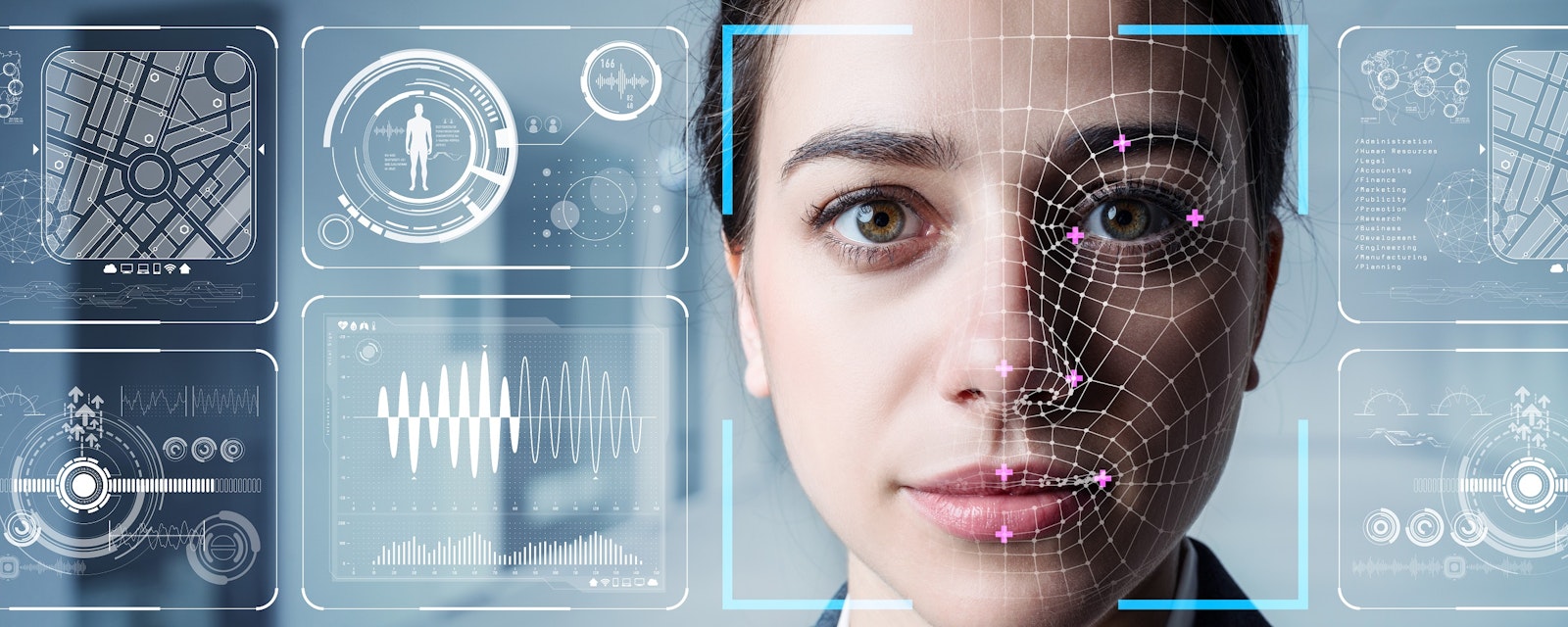
Deepfakes are synthetic media created using artificial intelligence and deep learning algorithms. The term combines "deep learning" and "fake," referring to AI-generated videos, images, or audio that appear authentic but are actually fabricated. These technologies can swap faces, manipulate expressions, and even generate entirely fictional people who look completely real.
The technology behind deepfakes uses sophisticated neural networks, particularly Generative Adversarial Networks (GANs), to analyze thousands of images or hours of video footage of a target person. The AI learns to map facial expressions, movements, and speech patterns, then applies this knowledge to create new content featuring that person saying or doing things they never actually did.
How Deepfake Technology Works
Data Collection
The AI system analyzes thousands of images or videos of the target person to learn their facial features, expressions, and mannerisms.
Neural Network Training
Deep learning algorithms, particularly GANs, are trained to generate realistic facial mappings and expressions.
Face Swapping
The trained model replaces the original person's face in a video with the target person's face, maintaining realistic lighting and expressions.
Post-Processing
Additional algorithms smooth transitions, adjust lighting, and refine details to make the final result appear authentic.
Differences Between Original and Deepfake Content
While deepfakes are becoming increasingly sophisticated, there are still telltale signs that can help identify synthetic content:
Original Content
- Natural eye movements and blinking patterns
- Consistent lighting and shadows across the face
- Smooth, natural facial transitions
- Authentic lip-sync with speech
- Consistent skin texture and color
- Natural head movements and gestures
- Proper reflection in eyes
Deepfake Content
- Unnatural or absent blinking
- Inconsistent lighting or shadows
- Flickering or artifacts around face edges
- Slight lip-sync delays or mismatches
- Skin texture inconsistencies
- Robotic or unnatural movements
- Missing or incorrect eye reflections
Types of Deepfake Technology
Video Deepfakes
The most common type, involving face swapping in video content. These can range from simple face replacements to full body puppeteering.
Audio Deepfakes
Voice cloning technology that can generate speech in someone's voice, often requiring just a few minutes of sample audio.
Image Deepfakes
AI-generated photographs of people who don't exist, or manipulated images of real people in fabricated scenarios.
Full Body Deepfakes
Advanced technology that can manipulate entire body movements and gestures, not just facial features.
Real-World Examples and Case Studies
Political Manipulation
Deepfakes have been used to create fake political speeches and statements, potentially influencing elections and public opinion. Notable examples include fabricated videos of political leaders making controversial statements they never actually made.
Celebrity Exploitation
Non-consensual deepfake videos targeting celebrities and public figures have raised serious concerns about privacy, consent, and digital harassment.
Corporate Fraud
Criminals have used voice deepfakes to impersonate CEOs and executives, successfully conducting phone-based fraud worth millions of dollars.
Entertainment Industry
Legitimate uses include bringing deceased actors back to screen, de-aging performers, and reducing production costs in film and television.
Detection Techniques and Tools
As deepfake technology advances, so do detection methods. Researchers and tech companies are developing various approaches to identify synthetic content:
Biological Inconsistencies
Analyzing blinking patterns, pulse detection through subtle color changes, and other biological markers that are difficult to replicate.
Technical Artifacts
Looking for compression artifacts, pixel-level inconsistencies, and other technical signatures left by the generation process.
Temporal Inconsistencies
Analyzing frame-to-frame consistency and detecting unnatural temporal patterns in video sequences.
AI-Based Detection
Using machine learning models specifically trained to identify deepfakes by learning their characteristic patterns.
Societal Implications and Concerns
Legal and Ethical Issues
- Non-consensual intimate imagery
- Identity theft and impersonation
- Defamation and reputation damage
- Evidence manipulation in legal proceedings
Information Warfare
- Spread of misinformation and disinformation
- Political manipulation and election interference
- Erosion of trust in media and institutions
- Creation of "liar's dividend" - dismissing real evidence as fake
Security Threats
- Biometric system vulnerabilities
- Social engineering attacks
- Corporate espionage and fraud
- National security implications
Interactive Quiz: Can You Spot the Deepfake?
Test your ability to distinguish between real and AI-generated content with our comprehensive deepfake detection quiz. The quiz includes various types of synthetic media and provides detailed explanations for each answer.
Take the Deepfake Detection QuizAcademic Research and Resources
Stay informed about the latest developments in deepfake technology and detection through these academic and research resources:
Leading Research Papers
Research Institutions
Industry Reports
Staying Protected
For Individuals:
- Be skeptical of sensational or unusual video content
- Verify information through multiple reliable sources
- Look for official statements from the people allegedly in videos
- Use reverse image/video search tools
- Stay informed about deepfake detection tools and techniques
For Organizations:
- Implement multi-factor authentication for sensitive communications
- Establish verification protocols for high-stakes decisions
- Train employees to recognize potential deepfake attacks
- Invest in deepfake detection technologies
- Develop incident response plans for deepfake-related threats